About the project
🧩 Overview
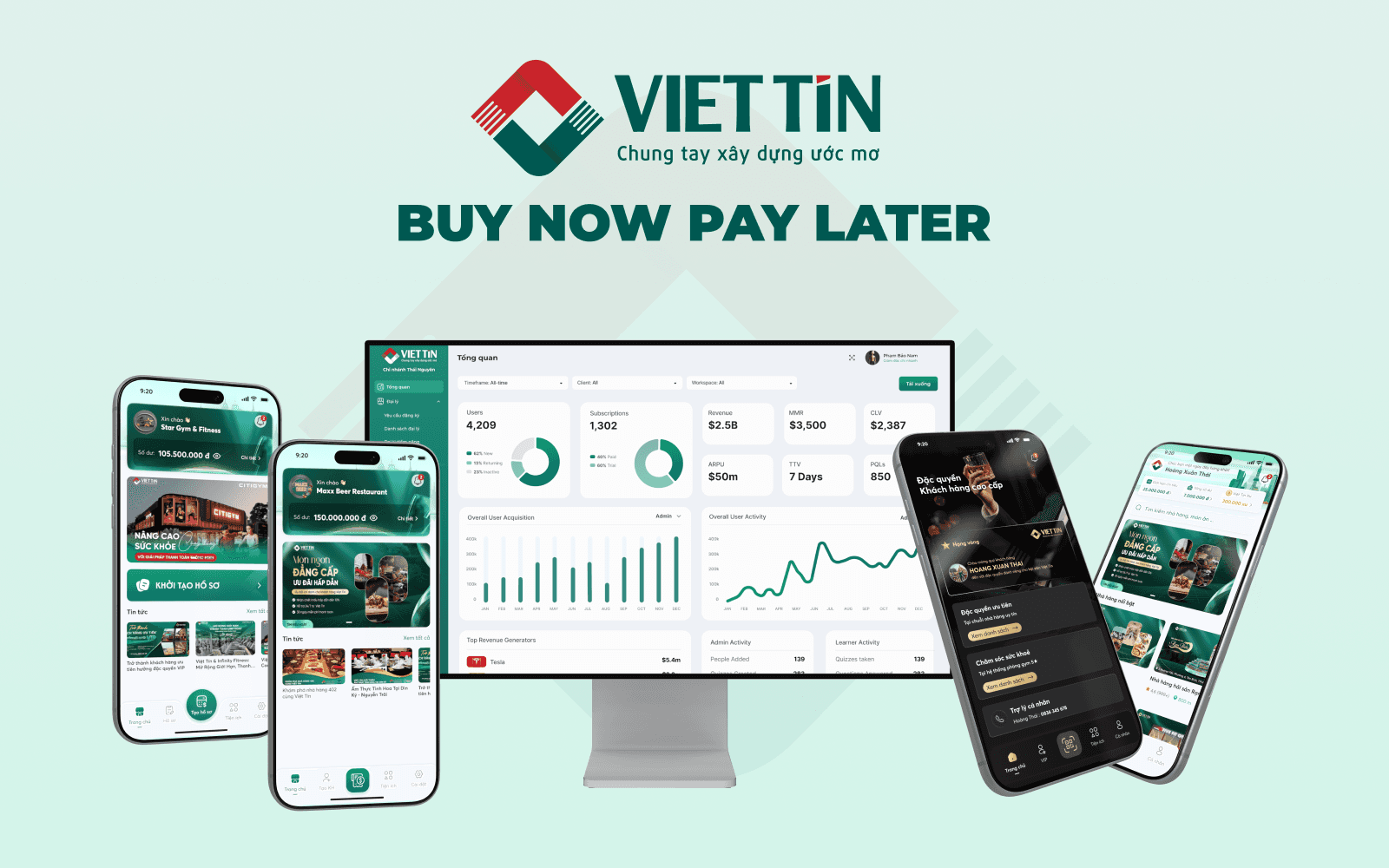
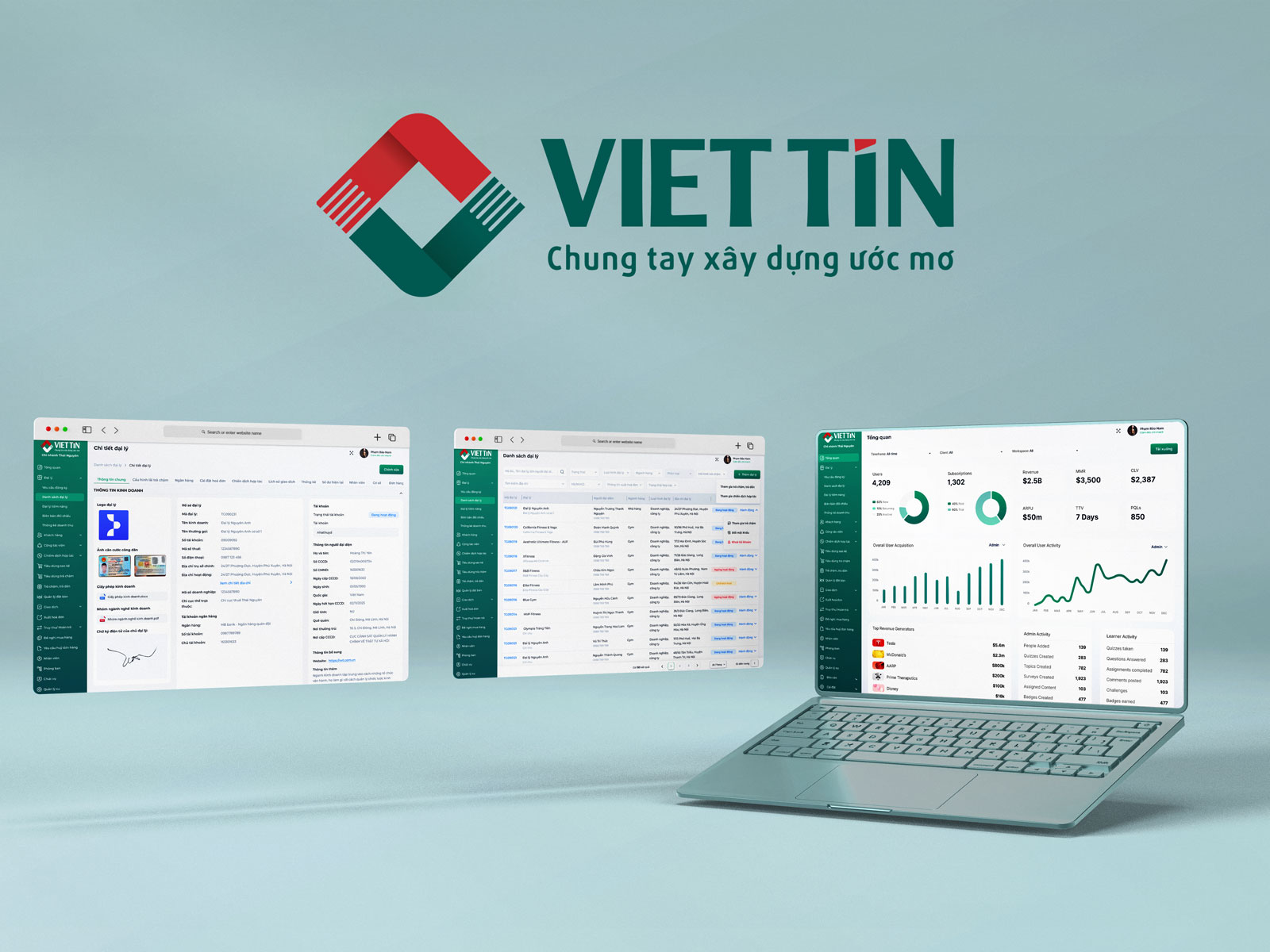
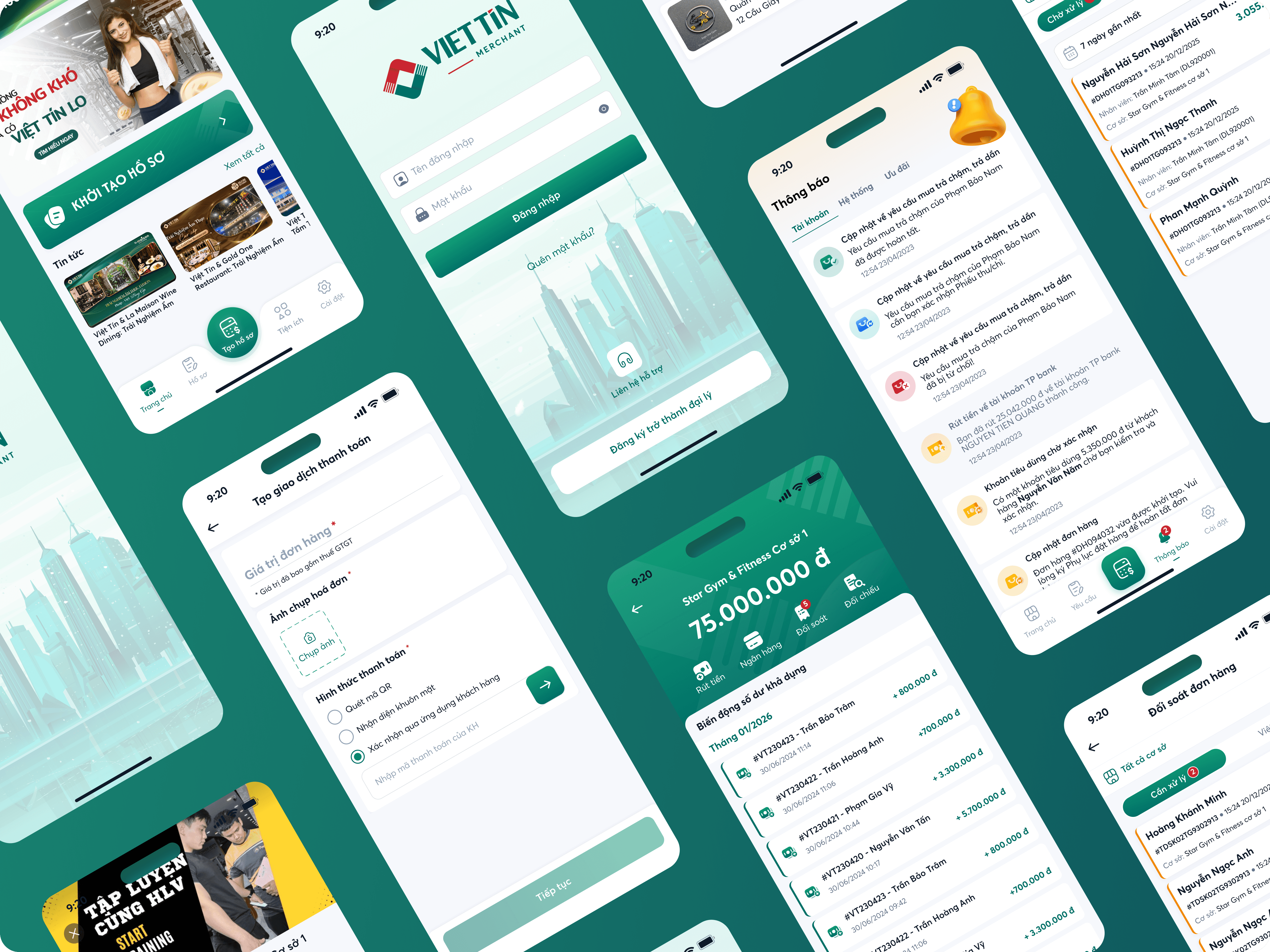
Designed a multi-platform fintech ecosystem including mobile apps, web portal, and CMS, supporting payment operations, user management, and internal workflows.
The system was built on a microservices architecture, handling high-volume transactions with multiple user roles and complex business logic.
🚨 Problem
The system needed to support a growing financial ecosystem but faced major UX challenges:
Complex workflows across multiple platforms (App, Web, CMS)
High cognitive load for internal operators handling transactions
Fragmented user experience between different roles (Agent, Customer, Admin)
Difficult onboarding for new staff due to system complexity
Lack of consistency across products built on top of distributed services
👉 Meanwhile, the backend system was already highly complex:
Microservices architecture
API Gateway + Kafka (sync & async flows)
Multiple data sources (PostgreSQL, MongoDB, Redis)
👉 This created a key challenge:
How to design a simple, intuitive UX on top of a highly complex system architecture
🎯 Goals
Simplify complex financial workflows
Improve efficiency for internal operators
Unify experience across multiple platforms
Design scalable UX aligned with microservices architecture
Reduce user errors in transaction handling
👤 Users
Primary Users
Internal staff (Admin, Accounting, Operations)
Agents (via mobile app & web portal)
Secondary Users
End customers using payment services
🏗 System Context (Important)
The platform includes:
Mobile Apps (Agent & Customer)
Web Portal (Agent operations & reconciliation)
CMS/Admin System (full system control)
All connected through:
API Gateway (authentication, routing)
Microservices (User, Payment, Worker...)
Kafka (asynchronous processing)
👉 This required UX to:
Handle real-time + async states
Reflect system status clearly
Support multi-role access
🔍 Process
Research & Analysis
Analyzed internal workflows across departments
Worked with PM & Dev to understand:
Transaction lifecycle
Payment processing logic
System constraints (API, async flows)
👉 Key insight:
UX problems were not only UI issues, but also caused by system complexity
Information Architecture
Re-structured the system into clear modules:
Dashboard
Transaction Management
User Management
Reporting & Analytics
System Configuration
👉 Aligned UI structure with backend microservices domains
Design & Iteration
Built user flows for:
Transaction handling
User verification
System monitoring
Designed:
Complex data tables
Dashboards
Multi-role interfaces
Iterated based on:
Internal user feedback
Technical constraints
✨ Key Design Decisions
1. Designing for Microservices Complexity
Mapped backend services → frontend modules
Reflected system states (success, pending, failed, async processing)
👉 Result: Users understand system behavior without needing technical knowledge
2. Handling Asynchronous Flows (Kafka-based)
Designed clear status indicators:
Processing
Completed
Failed
Added feedback loops for delayed actions
👉 Result: Reduced confusion in transaction states
3. Multi-role UX Optimization
Customized UI based on roles:
Admin / Operator / Agent
Reduced unnecessary actions per role
👉 Result: Lower cognitive load and fewer errors
4. Complex Data Visualization
Designed advanced tables with:
Filtering
Sorting
Status tagging
Prioritized critical financial data
👉 Result: Faster decision-making and monitoring
5. System-wide Design Consistency
Built reusable components:
Tables
Forms
Modals
Status indicators
👉 Result: Consistent UX across App, Web, CMS
📱 Solution
Delivered a unified fintech ecosystem:
Mobile apps for agents & customers
Web portal for operations
CMS/Admin system for full system control
All aligned with:
Microservices architecture
Scalable design system
Multi-role experience
📊 Impact
Reduced complexity in transaction workflows
Improved efficiency for internal operations
Increased clarity in system status and data handling
Enabled scalable UX for a growing fintech ecosystem
⚠️ Challenges
Translating complex backend architecture into simple UX
Handling real-time vs asynchronous system behavior
Designing for multiple user roles with different needs
Ensuring consistency across multiple platforms
🧠 Key Learnings
In fintech systems:
Clarity and system feedback are more important than visual design
UX must align with:
System architecture
Data flow
Business logic
Designing CMS requires:
Deep understanding of internal workflows
Collaboration with engineers is critical when working with:
Microservices
Event-driven systems
Client
Viet Tin
Stack
Figma, Adobe XD, Jira
Timeline
3 years
Year
2023



Visuals